- Juniorstocks.com
- Posts
- Trump Bans Defense Buybacks, Copper Hits $13k, & China Strikes Back
Trump Bans Defense Buybacks, Copper Hits $13k, & China Strikes Back
You're receiving this newsletter as a subscriber to JuniorStocks.com. Join the conversation on our socials below.

Editorial Team
January 09, 2026
New Assay Results Strengthen Military Metals’ European Strategy

Old Data, New Validation, Critical Future.
Military Metals Corp. (CSE: MILI | OTCQB: MILIF) has released the first results from its definition drilling campaign at the Trojarová Antimony Gold Project in Slovakia, and the numbers tell a compelling story.
Drill hole 25-TVA-001 returned 23.2 meters of 2.22% Antimony and 1.27 g/t Gold, effectively validating historical work from the 1980s with modern, verifiable assays. With distinct high-grade zones hitting nearly 5% Antimony, the project is shaping up to be a strategically vital asset for the European Union under the Critical Raw Materials Act.
This isn't just about finding metal; it's about confirming a domestic supply chain for Europe.
Read the full breakdown of the results in the article.
Trump Signs Executive Order Banning Defense Buybacks and Dividends
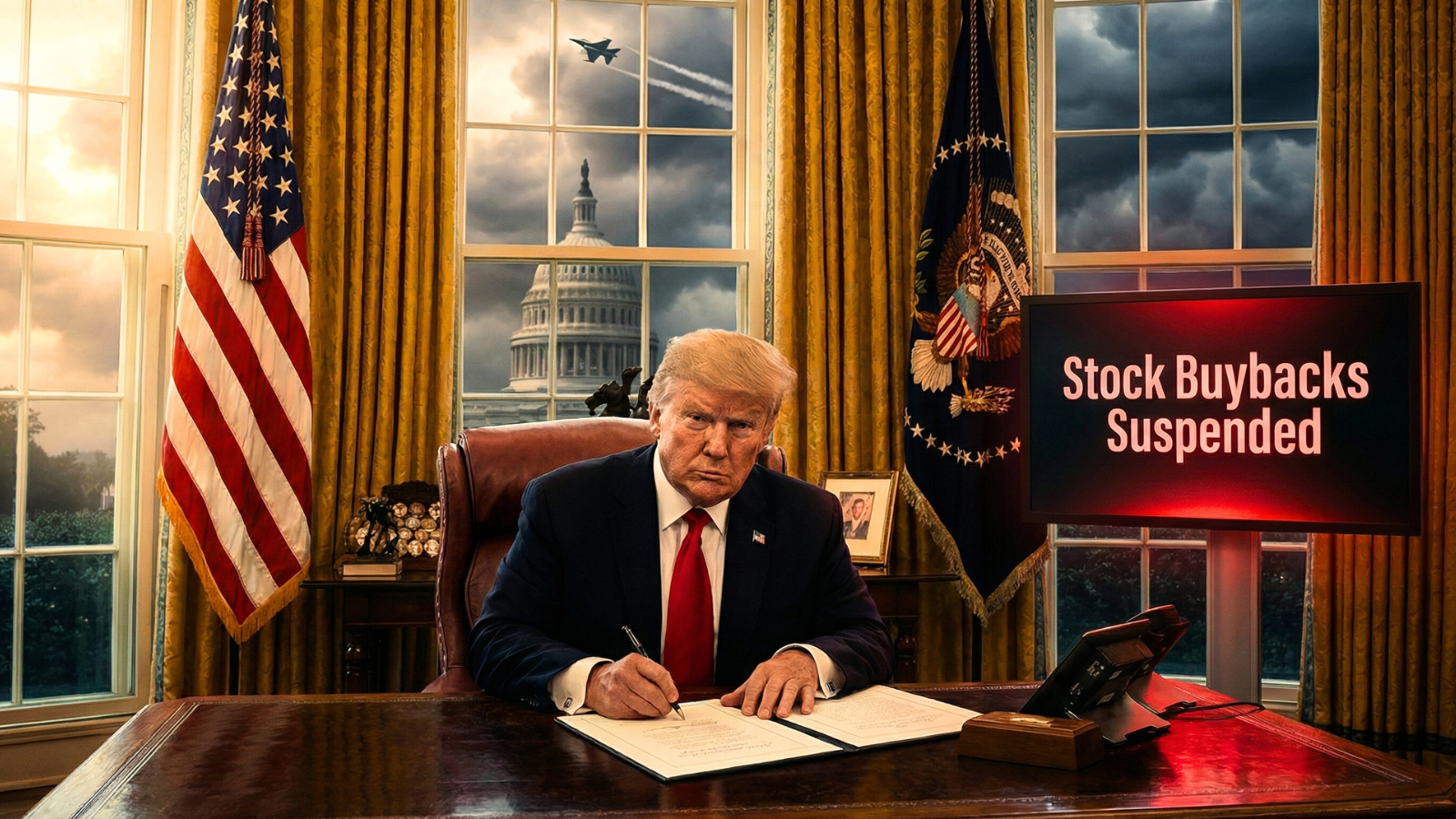
President Donald Trump has officially signed the "Prioritizing the Warfighter" Executive Order, placing new restrictions on capital allocation for major players like Raytheon (NYSE: RTX), Lockheed Martin (NYSE: LMT), Northrop Grumman (NYSE: NOC), and General Dynamics (NYSE: GD).
The core mandate? No more buybacks or dividends if production targets aren't met. The administration is specifically targeting what it calls "financialization" at the expense of readiness, with Raytheon explicitly named as a focus for immediate improvement.
But there's a twist: the White House also teased a $1.5 trillion budget for 2027. The Department of War is ready to spend, but only with partners who prioritize plants over profits.
How do you think this will impact the supply chain for RTX and LMT moving forward?
China Just Flipped the Table: Beijing’s Rare Earth Ban Hits Japan Where It Hurts

The era of seamless global trade just took a massive hit.
On Tuesday, China’s Ministry of Commerce officially banned "dual-use" exports to Japan, explicitly citing Prime Minister Sanae Takaichi’s recent remarks on Taiwan. This isn't just a political slap on the wrist; it is a surgical strike against Japan’s high-tech industrial base.
The most critical detail? The new "Third-Party Liability" clause. Beijing has closed the back door. Japanese companies can no longer route Chinese rare earths through trading houses in Southeast Asia without risking legal action against those intermediaries. This is a hard bifurcation of the supply chain.
Analysts at Nomura Research Institute estimate a 3-month ban could cost Japan ¥660 billion. For investors, the message is clear: the "security premium" on non-Chinese miners is no longer theoretical. It’s necessary.
The Great Copper Squeeze of ’26: Why Your AI Habit is Costing $13,000 a Ton

We often talk about the software side of the AI revolution, but we rarely discuss the hardware constraints that make it possible. The reality is that our digital future is grounded in physical geology, and right now, that geology is pushing back.
Copper prices have just broken the $13,000 barrier, driven by a perfect storm of supply outages at major mines like Grasberg and El Teniente, combined with surging demand from energy-dense data centers. When you add the complexity of new tariffs and a lack of new discoveries, it becomes clear that the "electrification of everything" faces a serious bottleneck.
The proposed merger between Anglo American and Teck Resources suggests the industry knows the score: if you can't find new copper, you have to buy it. We are entering a period of extreme scarcity for the red metal.
We want your feedback on this week’s market insights! How’d we perform? 📈📉Let us know where we stand! 🚀 |